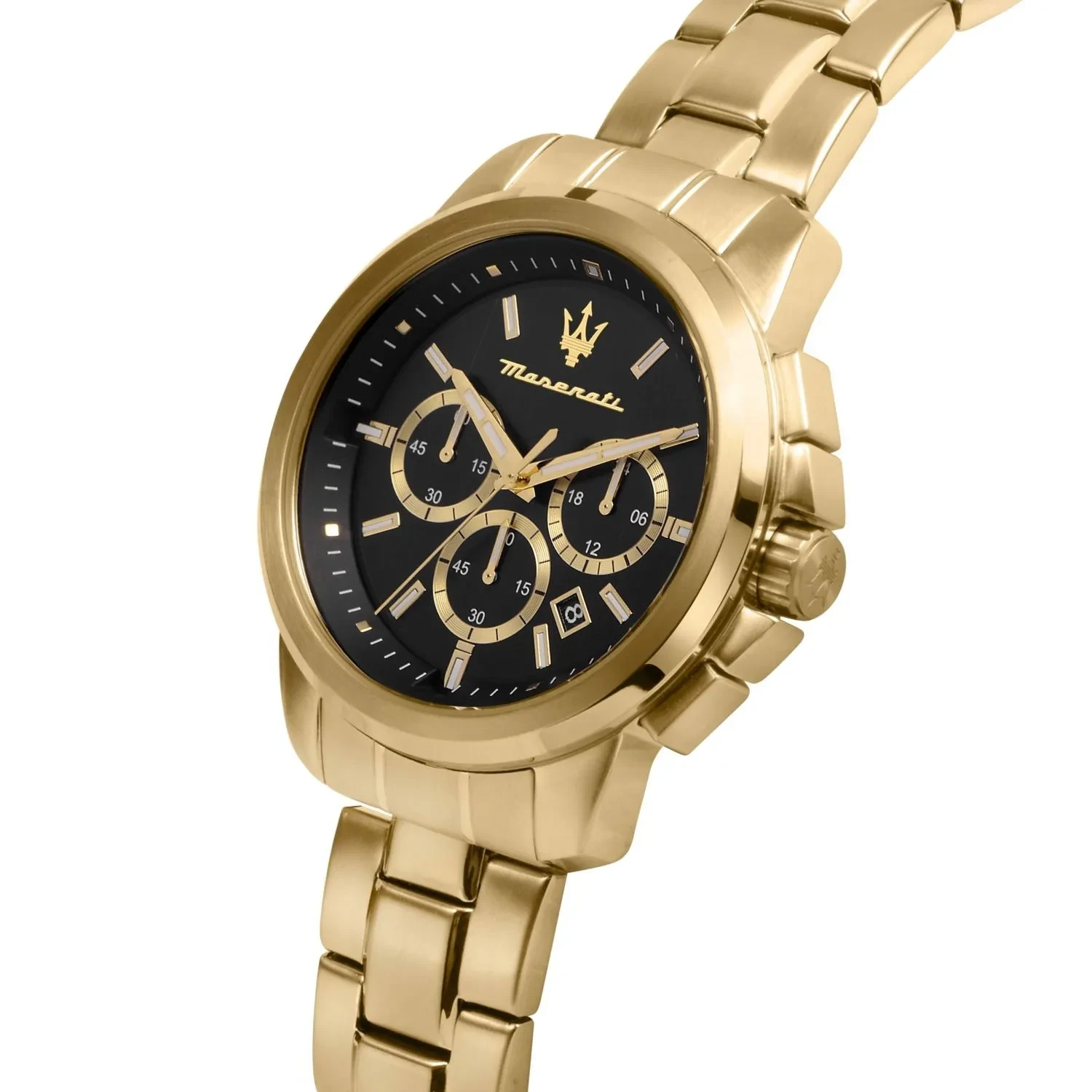




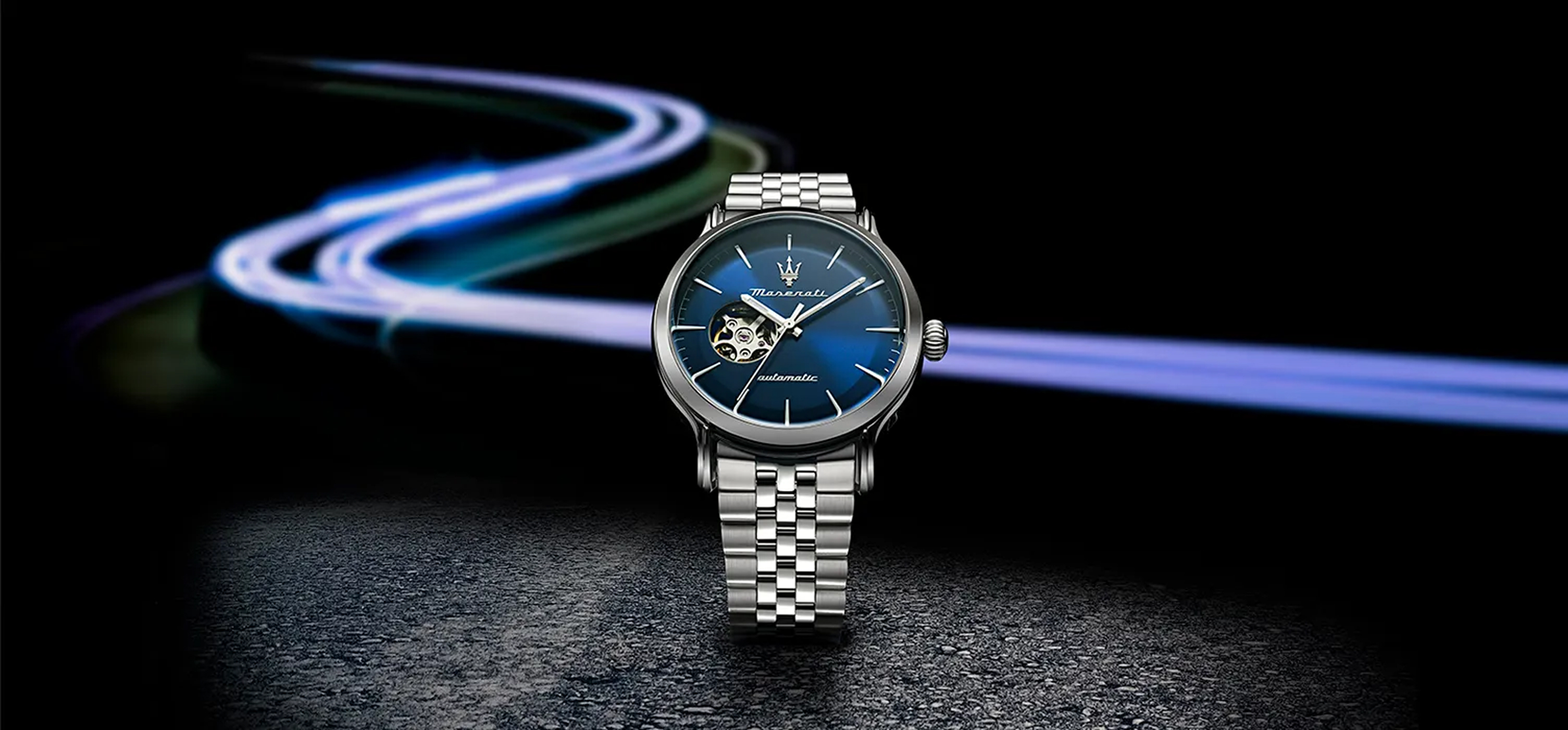
Brand Highlight: Maserati
Long before the trident appeared on a watch dial, it stood for something earned the hard way: lap times, chequered flags, and a reputation built corner by corner on some of the world's toughest circuits. The watches that carry the Maserati name today are, in a very literal sense, built on that history.
Bologna, 1914: six brothers and a racetrack
Maserati was founded in Bologna by the Maserati brothers, who started out building spark plugs before turning their attention to racing cars. It did not take long for the name to appear on a starting grid - Maserati went on to compete throughout the Grand Prix era of the 1920s and 1930s, and later became one of the early constructors in Formula 1. The brand's identity was forged on asphalt, not in a design studio.
A trident borrowed from a fountain
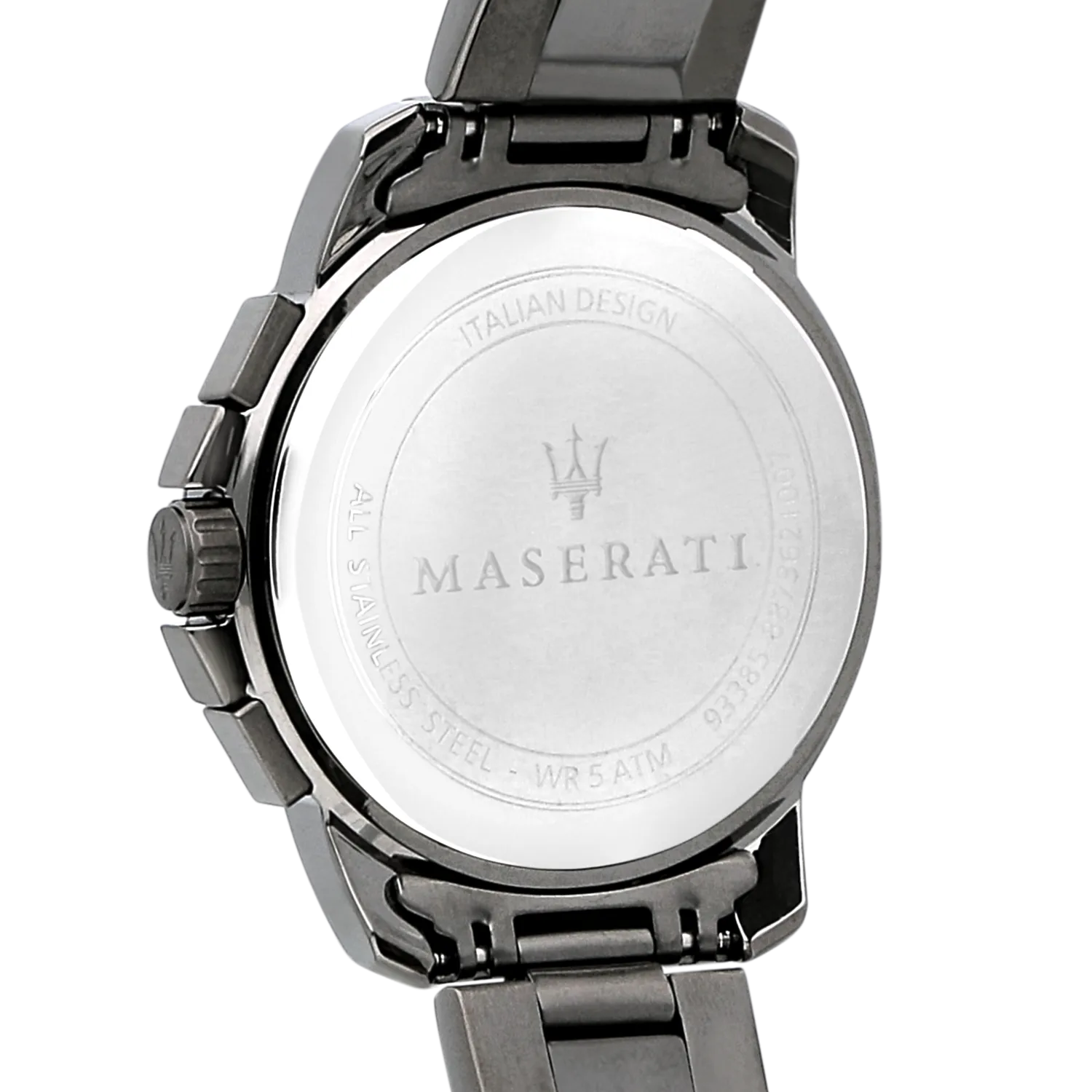
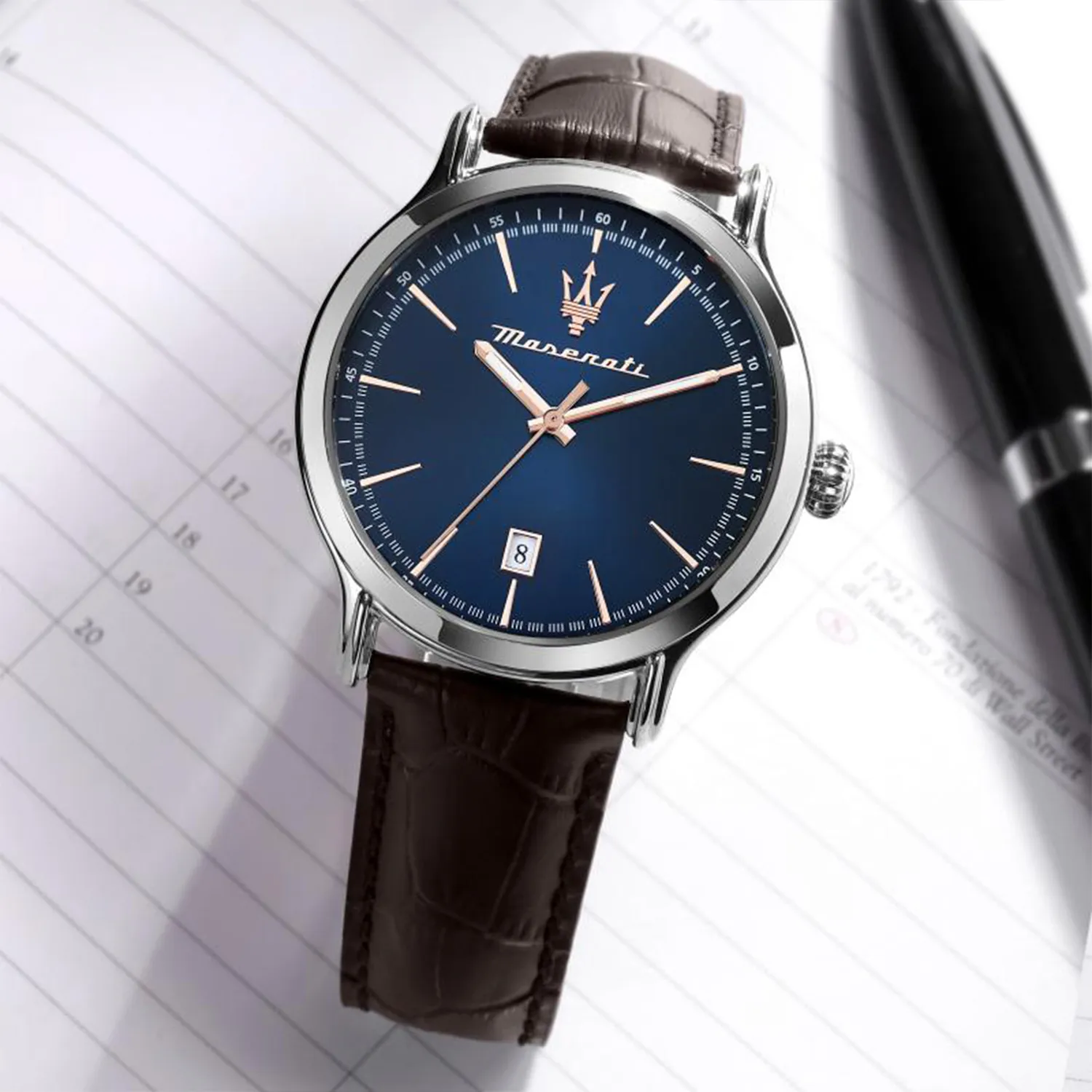
Maserati's trident logo was designed by Mario Maserati, who took his inspiration from the statue of Neptune in Bologna's Piazza del Nettuno, just a short walk from where the company was founded. The symbol has appeared on every Maserati car since the 1920s, and it makes the same journey onto the watches, almost always sitting at twelve o'clock as a quiet nod to where the brand began. Turn one of the watches over and the trident appears a second time, engraved into the caseback alongside the Maserati name.
A dashboard you can wear
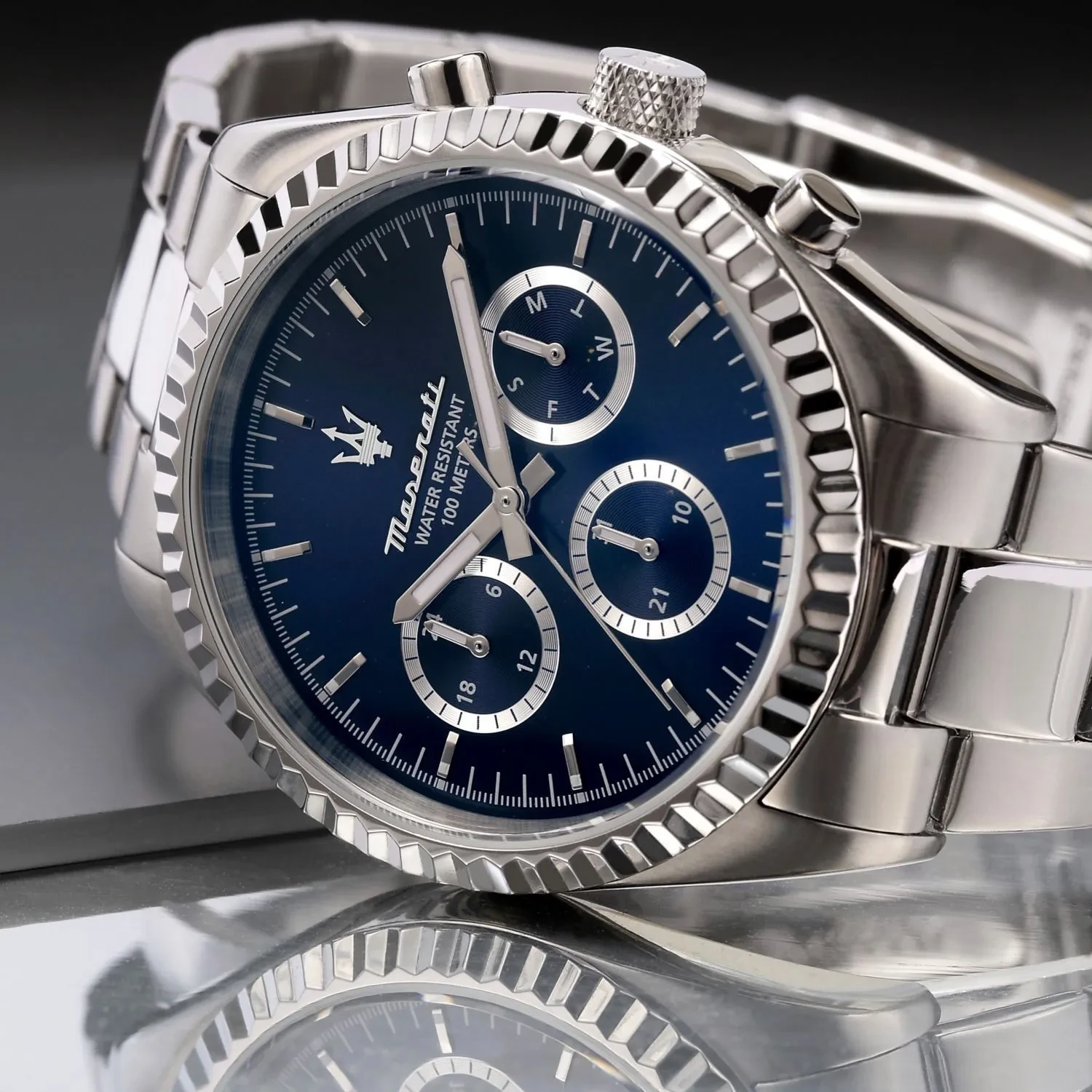
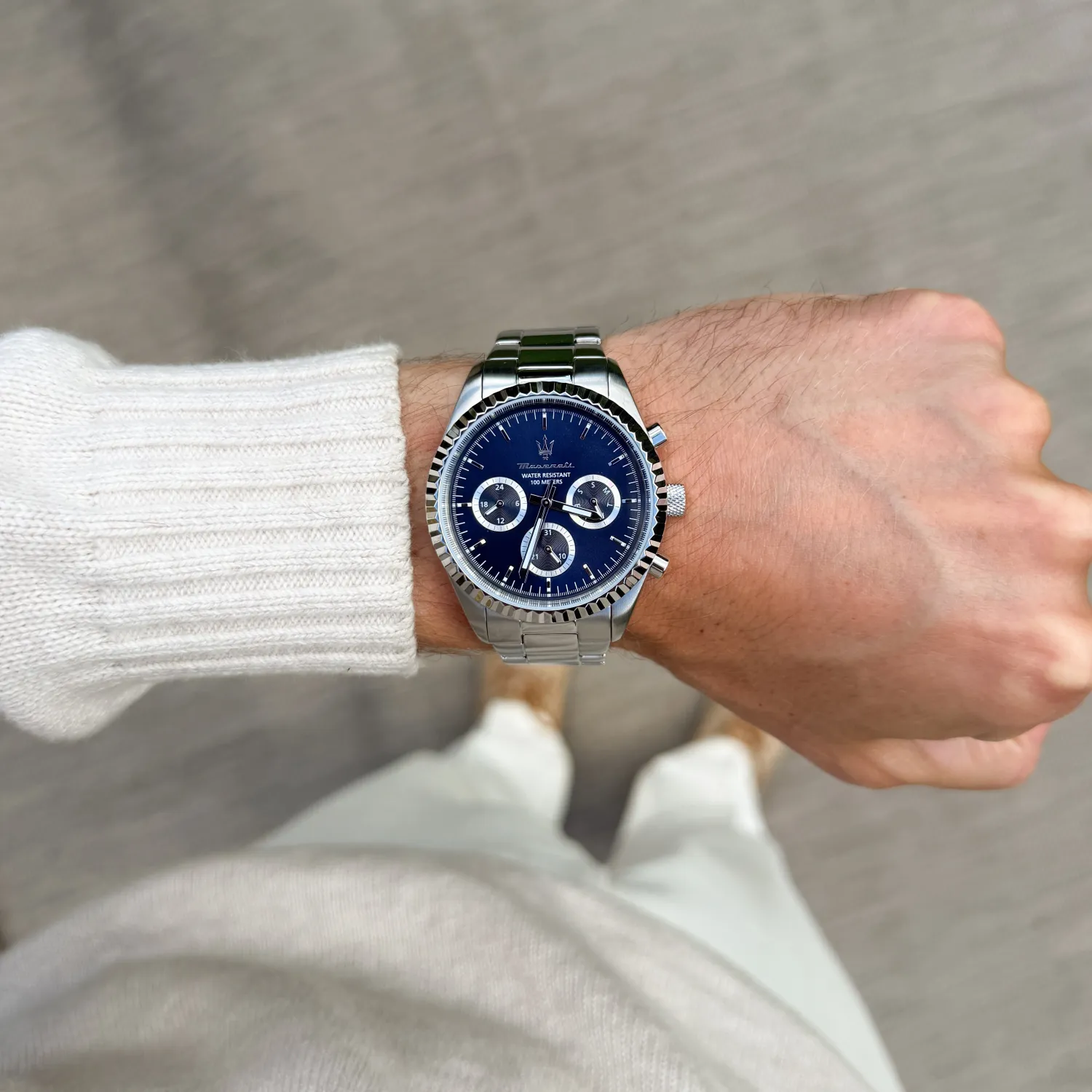
Look closely at a Maserati watch and the car is still there. Dials are laid out like speedometers and tachometers, sub-dials are positioned the way instrument clusters sit on a dashboard, and cases are brushed and polished the way a bonnet catches light. Even the collection names are borrowed straight from the pit lane: Competizione, Italian for competition, and Sfida, meaning challenge or duel.
What is actually inside
Strip away the automotive styling and what is left is conventional, well-specified watchmaking: quartz or automatic movements depending on the model, mineral or sapphire crystal, and cases and bracelets built in stainless steel - finished either brushed and polished or, on some models, in a gold-tone steel. It is this combination, Italian car design on the outside and standard watchmaking on the inside, that defines the collection.